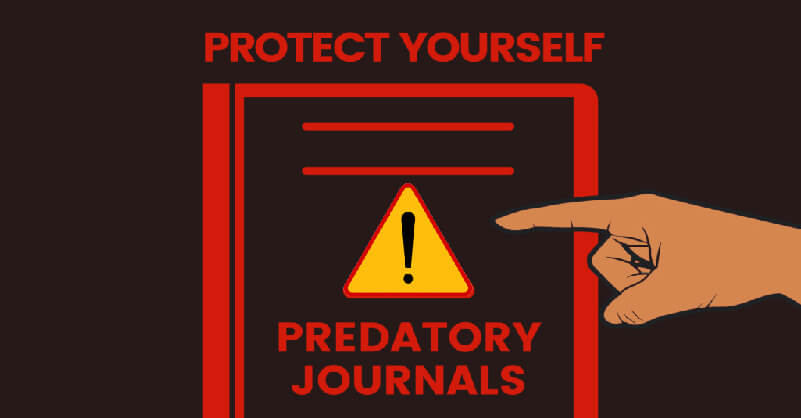
In recent years, a concerning trend has emerged among Pakistani authors who unwittingly find themselves ensnared in the clutches of predatory journals.
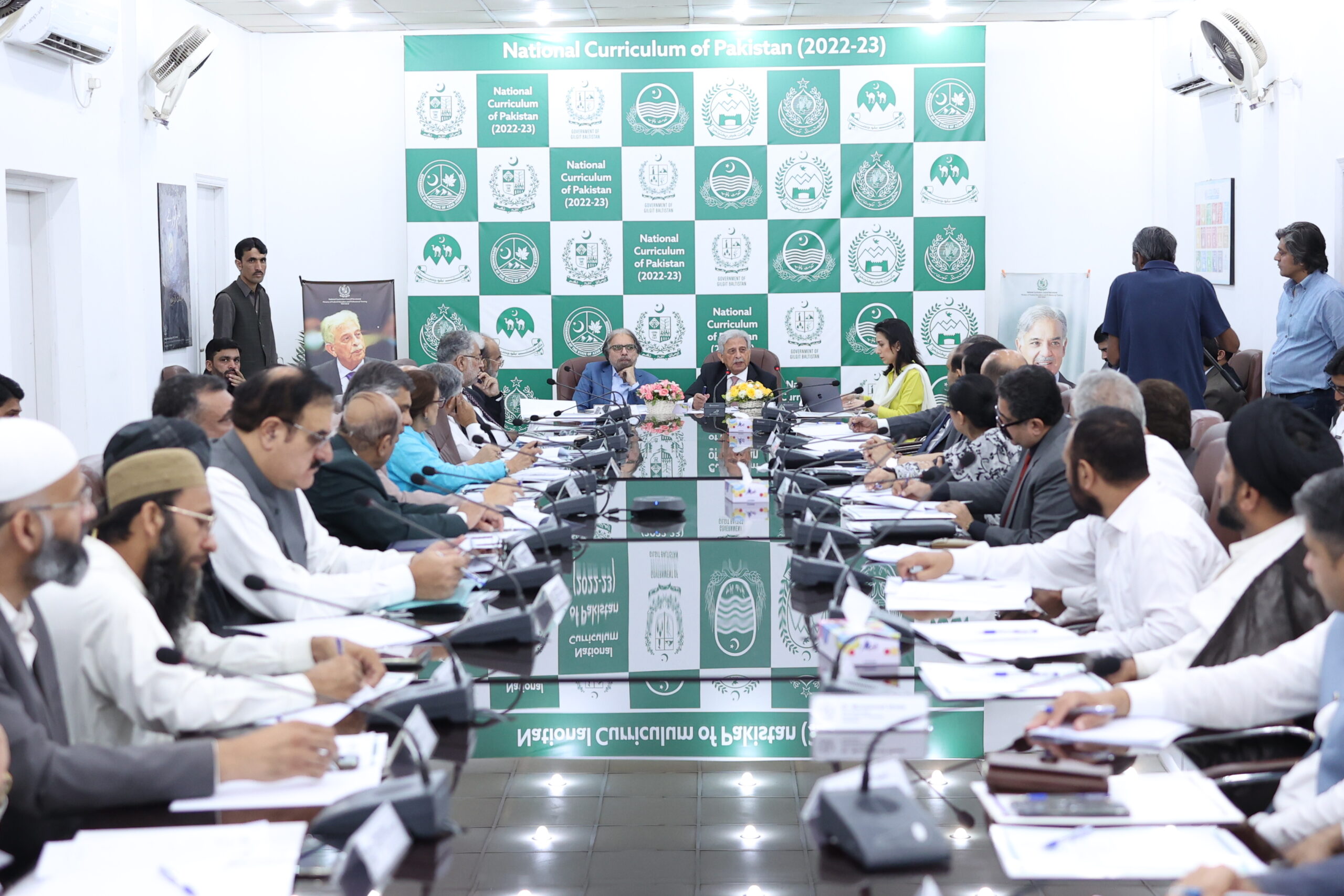
On 14th April, National Curriculum Council Secretariat hosted its Curriculum meeting under the chair of Federal Minister for Education and Professional Training, Rana Tanveer. Also, in attendance of the meeting was the Minister for Information, Maryam Aurangzeb along with other …
What can we do to ensure financial enablement of the youth? Problem with youth today is a majority may not have had availed the opportunity for gaining foundational literacy or educational acumen required by our industry/market or agricultural sector or …
My message, “a right is not a privilege”, denial of right to education to girls and its implications. #internationalwomensday #breakthebias2022 #AuratMarch2022
Impacts of Forced Conversions on Education of Minority Girls”, which she co-authored with Rabbia Arshad Turkmani.
On #InternationalWomensDay2021, Rabbia Arshad and Zeeba T. Hashmi discuss women issues, including Aurat Azadi March which has been caught the eye (Aurat March)
Child abuse and lifelong trauma it causes to children is an issue that must be talked about in context of education access in Pakistan.
A look into Punjab Assembly resolutions passed during the period 2018-2022 has revealed lawmakers expressing very little concern for the educational crisis in the province. The nature of these resolutions and the number of times an educational issue has been …
there is a lack of evidence about the formation of such kind of department. And some the researchers are of the view that no such department was set up by the secular Jinnah. In the article titled ‘Secular Jinnah and the so-called Department of Islamic Reconstruction’ published in 2017, the author Yasser Latif Hamdani claims; “Before fake news there was Orya Maqbool Jan. These are the people who brought you Jinnah’s diary which was discovered in the 1980s by Zia’s government”
Weightage needs to be given to our constitutional fundamental rights, such as article 25-A and article 22(1) over those falling under Principle of policy chapter, such as the much quoted Article 31. This demarcation between chapters is necessary because fundamental rights cannot be compromised at any cost, whereas principles of policy are subjected to availability of resources.